What Rust Streamer Servers Like Rust Isles Actually Are in 2026
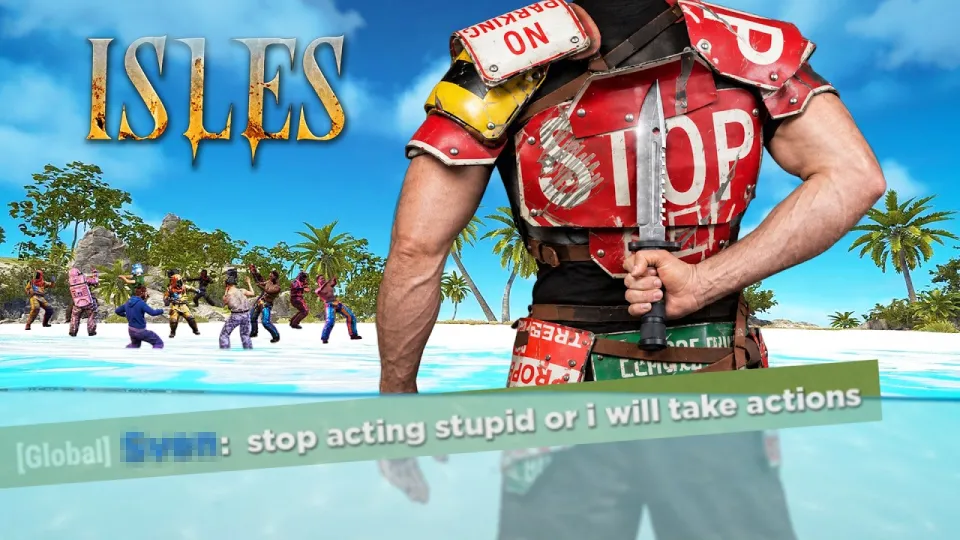
Video: Not Another Rust Streamer Server
You can order the same kind of articles for your own video to boost it on YouTube and Google. Just message the Telegram bot @sat_sit_bot. Articles with your video embedded are written and posted by the bot itself — on popular topical sites (no ads). Try it free: 50 articles on us.
· based on the channel Stimpee
Key takeaways
- Rust Isles is an invite-only streamer server with a pirate theme and heavy roleplay rules.
- Stimpee returned to a Rust streamer server after years away and was given access to Rust Isles.
- Admins on streamer servers routinely check inventories and strip items that break the intended experience.
- Clan leaders recruit streamers on the spot, which often leads to betrayals and public meltdowns.
- Streamer servers trade the normal Rust wipe grind for scripted events, content scheduling and social drama.
Rust streamer servers are invite-only Rust worlds built for content creators, where admins control wipes, loot and rules so that streams stay watchable instead of turning into a normal survival grind. Rust Isles, the pirate-themed server Stimpee was given access to, is the clearest example in 2026: a private map where streamers roleplay, form clans and get policed by moderators who treat balance as part of the show. You can watch Stimpee's live sessions and see the server in action via his Twitch channel.
What a Rust streamer server actually is
A Rust streamer server is a private, whitelisted Rust instance where access is granted by invitation rather than by paying for a slot. The point is not fair competition but reliable content: admins want known creators online at the same time, interacting with each other, so viewers get encounters that would take weeks to engineer on a public server. That means custom maps, adjusted gather rates, curated loot, scheduled events and a rulebook that covers things vanilla Rust simply allows, such as betraying a clan leader or stealing a boat.
Rust Isles follows that template with a pirate theme. It is still Rust at its core, so raiding, looting and base building all exist, but the social layer is the product. Streamers arrive with their own audiences, and every interaction becomes cross-promotion.
How invites and access work on Rust Isles
Access to a streamer server is a two-step process that has nothing to do with skill in Rust. First, an admin or server owner decides you are worth inviting, usually because you already stream the game and bring an audience. Second, you accept the invite, join the Discord, read the rules and get your account whitelisted before the next wipe.
On Rust Isles the invitation came from the server side, not from Stimpee applying. That detail matters: streamer servers run on relationships. Once inside, players are expected to attend scheduled sessions, respect roleplay boundaries and not treat the map as a personal loot farm. Break those expectations and the punishment is rarely a ban, it is a moderator appearing in your inventory.
Why moderators strip weapons from troublemakers
Admins on streamer servers actively manage inventories because the content value of one player can outweigh the balance of the whole map. When a creator known for chaos gets access to explosives, the server can lose a day of planned storylines in twenty minutes. The practical result is that moderators remove weapons of mass destruction, limit raid tokens and sometimes intervene mid-fight.
For viewers this looks like favoritism. For admins it is scheduling. A streamer server has a finite cast, and every base that gets wiped early is a set that has to be rebuilt before the next stream. That is why the same names keep getting watched, and why a player who has been on the server for years still gets his inventory checked at a gathering.
Clans, betrayals and the roleplay problem
Clan recruitment on a streamer server is fast and informal, and that is where most of the drama comes from. A leader invites a new arrival into the crew without asking questions, hands over access to boats and boxes, and expects loyalty that was never agreed. When the new member steals the boat and leaves the crew stranded, the leader treats it as betrayal rather than as content.
Vanilla Rust players would call that a normal Tuesday. On a roleplay server it becomes a public argument in chat, sometimes continuing long after the raid. The tension is structural: the server advertises piracy and backstabbing, then punishes the players who take the theme seriously. It is also the single most reliable source of clips on servers like Rust Isles.
Streamer server versus normal Rust
A regular Rust wipe rewards time and mechanical skill; a streamer server rewards presence and social play. The differences show up in four places:
- Access — public servers are open to anyone, streamer servers are whitelisted and invite-only.
- Population — a few dozen known creators instead of hundreds of anonymous players, so reputation follows you between wipes.
- Rules — roleplay expectations, no offline raiding agreements and admin oversight of loot and weapon access.
- Content — scheduled events and staged encounters replace the organic chaos of a random map.
That trade-off explains the split reaction streamer servers get. Some viewers find the social layer entertaining; others find it artificial, because the survival stakes are lower and the politics are louder.
Common viewer questions about Rust streamer servers
Most doubts about these servers come down to fairness and access. Viewers ask whether admins play favorites, whether a solo player can survive among organized clans, and whether the roleplay is genuine or scripted. The honest answers:
- Admins do intervene, but usually to protect the schedule rather than a specific person.
- Solo players survive by staying mobile and avoiding clan politics, not by out-farming groups.
- Roleplay is real in the sense that players commit to characters, but events are often planned in advance.
- Invitations are relationship-driven, so a large audience helps more than a high K/D ratio.
Useful links
- Stimpee on Twitch — live Rust streams and streamer server sessions.
- Stimpee on Twitter — schedule updates and clip posts.
- Stimpee on Instagram — short-form content and behind-the-scenes posts.
- Stimpee's Discord — community chat and announcements.
The takeaway
Rust streamer servers like Rust Isles are content machines first and survival games second, and understanding that explains almost every complaint viewers have about them. Admins curate loot and inventories, clan leaders recruit strangers and then feel betrayed, and the pirate theme invites exactly the backstabbing the rules try to contain. Stimpee's return to this format after years away shows why the servers keep getting made: the social friction is the show. If you want to see how it plays out live rather than in clips, follow Stimpee on Twitch and judge the format yourself.
Questions & answers
Can a solo player survive on a Rust streamer server?
Yes, but not by out-farming clans. Solo players on servers like Rust Isles stay mobile, avoid long-term alliances and keep bases small enough to rebuild after a raid. Reputation matters more than loot, so being known as a fair trader often protects you better than walls.
Why do admins remove weapons from certain players?
Admins on whitelisted streamer servers manage inventories to protect planned content and keep the map playable for everyone. A single player with explosives can end a storyline early, so moderators strip high-tier gear or limit raid access. It looks like favoritism but is usually scheduling.
Is roleplay on Rust Isles scripted?
Players commit to characters and to the pirate theme, but most encounters are improvised. Events and gatherings are often organized in advance by admins, while betrayals, robberies and clan arguments happen naturally. That mix of planned and spontaneous is what makes the server watchable.
How do streamers get invited to servers like Rust Isles?
Invitations come from server owners and admins who want reliable creators online at the same time. Having an active audience and a history of streaming Rust matters far more than skill or gear. Contacts through Discord and existing streamer relationships are the usual route in.